10 FAQs About Biodegradable Labels
10 Frequently Asked Questions
About Compostable & Biodegradable Labels in the UK
Compostable and biodegradable labels have become a hot topic - but sometimes a source of confusion! How can businesses make responsible, compliant choices without falling into the greenwashing trap?
At the GREEN LABEL company, we specialise in helping UK brands navigate an evolving landscape with confidence. This FAQ guide breaks down the essentials - from certifications and disposal guidance to performance, regulations and consumer expectations … so you can choose labels that genuinely support your sustainability goals.
1. Are compostable labels really better for the environment?
They can be when used correctly.
Compostable labels are designed to break down alongside compostable packaging, helping reduce contamination in food waste streams. However, they only deliver real environmental benefits if:
They are disposed of correctly (home or industrial composting, as specified)
The composting infrastructure exists where the product is sold
Clear labelling and disposal guidance are key.
2. What is the difference between compostable and biodegradable labels?
In simple terms: all compostable labels are biodegradable, but not all biodegradable labels are compostable.
Biodegradable labels break down over time, but the timeframe and conditions are often unclear.
Compostable labels break down into natural, non-toxic components under specific composting conditions and leave no harmful residue.
In the UK, compostable label material claims should always reference a recognised standard such as EN 13432, so customers know exactly what to expect. If it helps to read explanations on other eco-friendly certificates, click here.
3. Can compostable labels be home composted in the UK?
Some can, some can’t - and this is where clarity matters.
Home compostable labels break down at lower temperatures and are suitable for garden compost heaps.
Industrial compostable labels require higher temperatures and controlled conditions, typically found in council or commercial composting facilities.
4. Are biodegradable labels regulated in the UK?
Yes, and regulation is tightening.
UK authorities are increasingly scrutinising vague environmental claims such as “eco-friendly” or “biodegradable” without evidence. Brands are expected to:
Substantiate claims with recognised standards
Clearly explain disposal requirements
Avoid misleading or ambiguous wording
Our labels are certified compostable or biodegradable, which helps reduce the risk of greenwashing accusations. Find out more about the different biodegradable label materials we offer by clicking here.
5. Do compostable labels work as well as conventional PP labels?
Yes, when designed properly.
Modern compostable labels can offer:
Strong adhesion
High-quality print
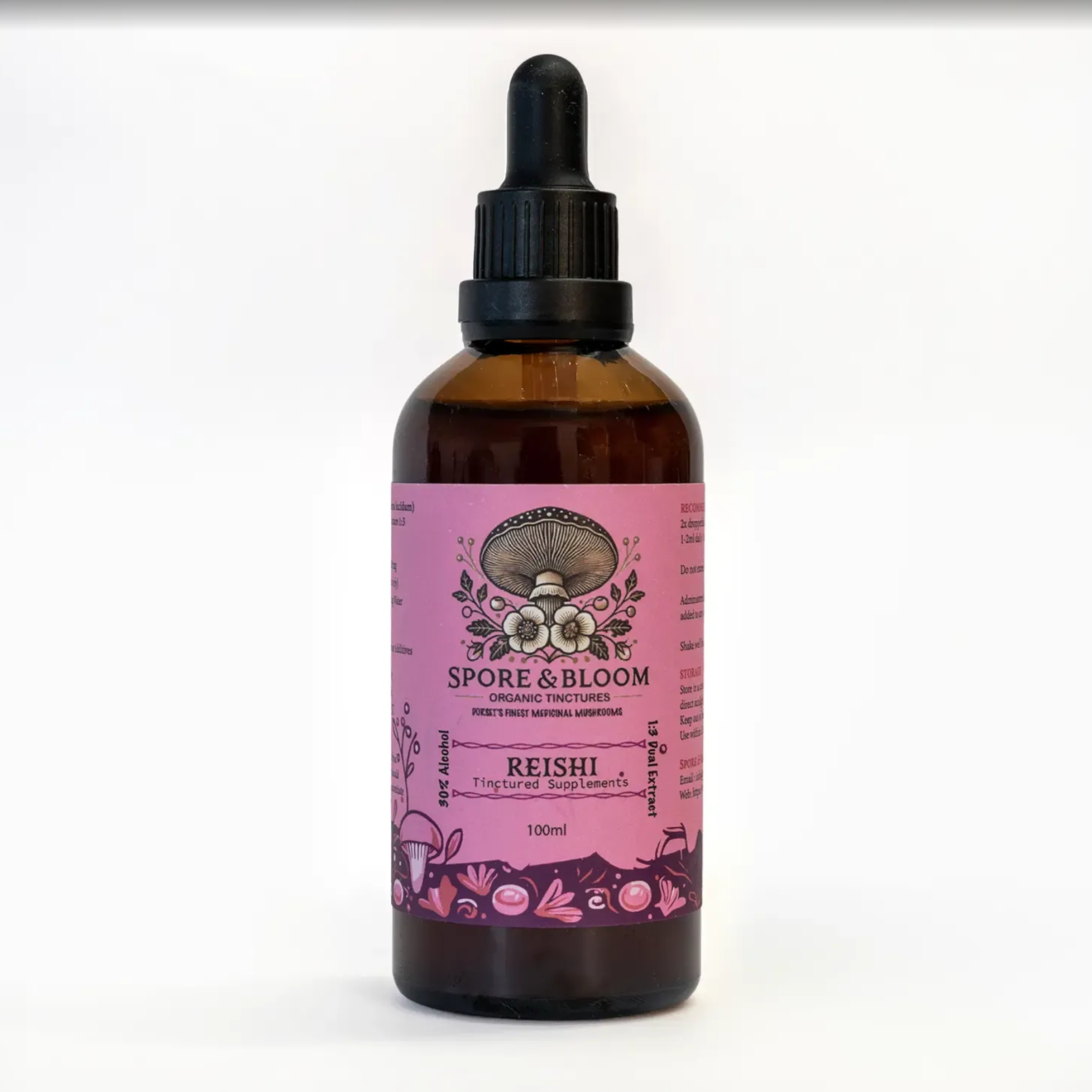
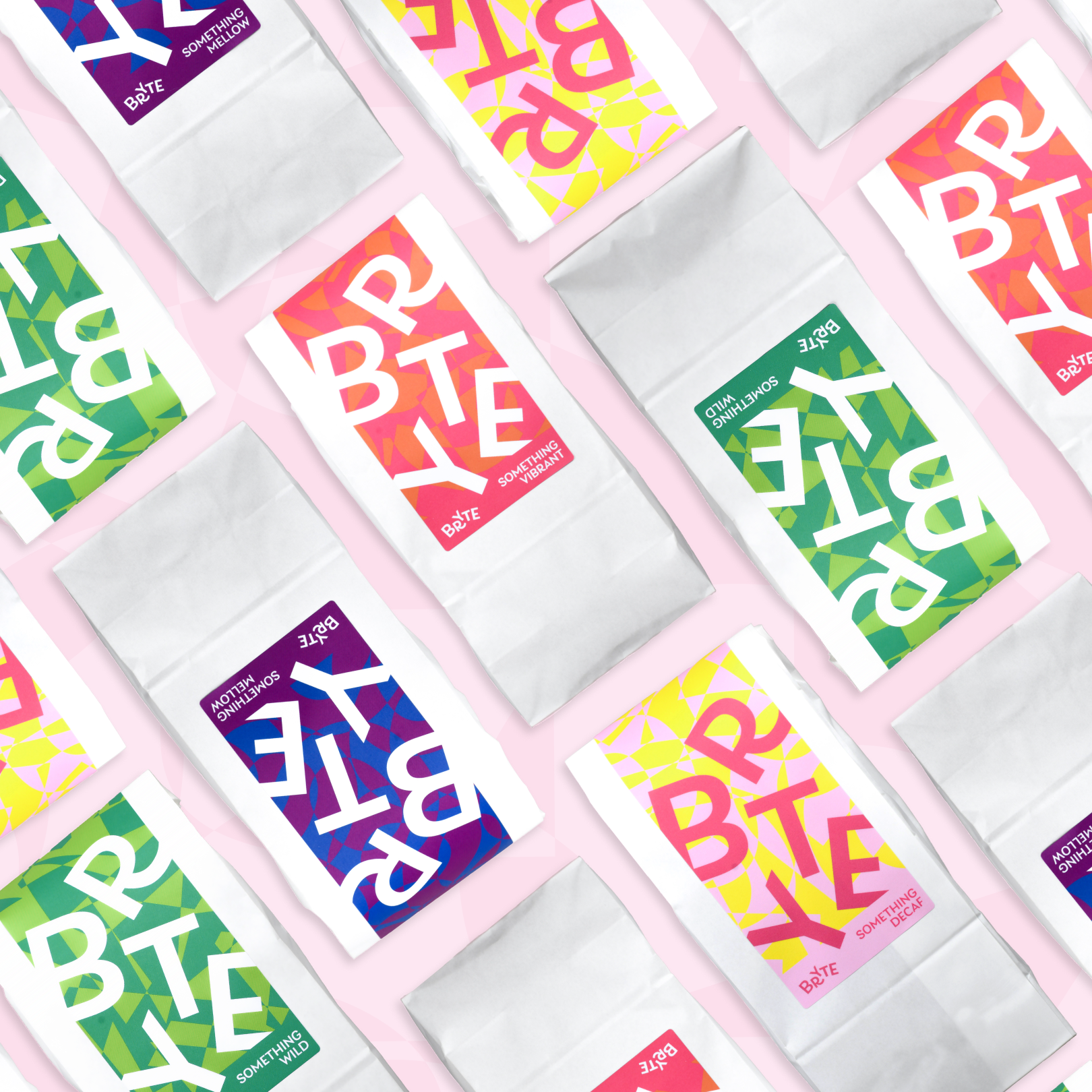
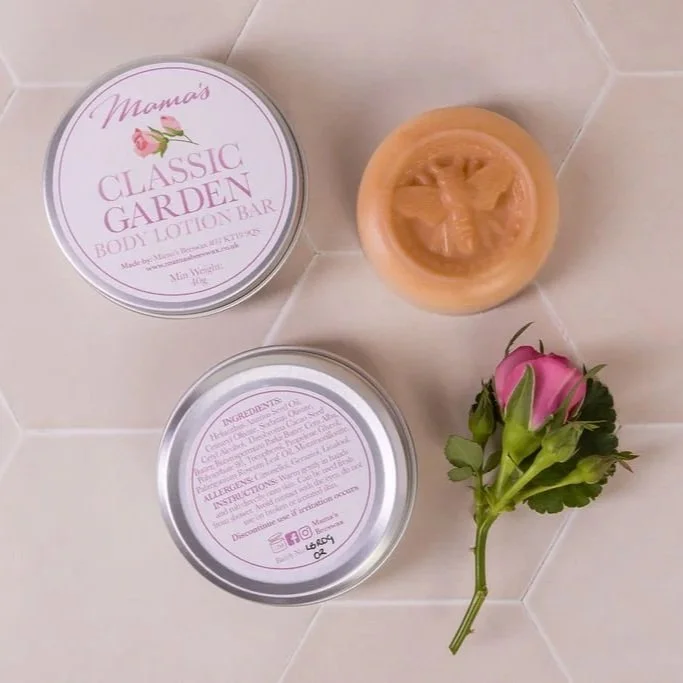
They’re widely used by UK food, drink, cosmetics and health brands without compromising performance. If you have any doubts, simply check the material specifications for both biodegradable and compostable labels here.

6. Are compostable labels suitable for food packaging?
Absolutely, and they’re increasingly popular.
Compostable labels are commonly used on:
Fresh produce
Jars, bottles and tubs
Bakery and takeaway packaging
For food brands, using compostable labels helps ensure the whole pack aligns with sustainability goals and not just the container.
7. Are compostable and biodegradable labels recyclable?
Usually, no - and that’s important to understand.
Compostable and biodegradable labels are designed for organic waste streams, not recycling. Mixing compostable materials into recycling can cause contamination, which is why clear disposal instructions are essential.
8. Why are more UK brands switching to compostable labels?
Because consumers are paying attention. UK shoppers increasingly:
Look for sustainable packaging cues
Read labels carefully
Distrust vague environmental claims
Compostable labels offer a clear, credible way to demonstrate environmental responsibility, especially when backed by recognised standards.
9. How can biodegradable labels support my brand’s sustainability story?
Labels are often the first sustainability signal customers see. Clear, honest labels can:
Build trust
Support compliance with UK regulations
Help customers dispose of packaging correctly
Reinforce your wider environmental commitments
In short, labels don’t just stick - they communicate.
10. How do I choose the right compostable or biodegradable label?
Start by asking three questions:
Where will the product be sold? (UK infrastructure matters)
How should it be disposed of? (home vs industrial composting)
What claims can I prove? (standards > slogans)
The GREEN LABEL Company can advise on choosing the right eco label material to ensure your sustainability claims are accurate, compliant, and credible.
Biodegradable Labels Align with Your Brand
Compostable and biodegradable labels offer powerful opportunities for brands that want to reduce environmental impact and communicate their values transparently.
By focusing on credible standards, clear messaging and materials that align with your packaging and waste streams, you can build trust, strengthen your sustainability story and meet the expectations of today’s eco‑aware consumers. At the Green Label company, we’re here to help you make informed, future‑proof choices that benefit both your brand and the planet.
Order a free sample pack so you can see, feel, and test the materials we currently offer. Or call us to discuss your next biodegradable label project.